
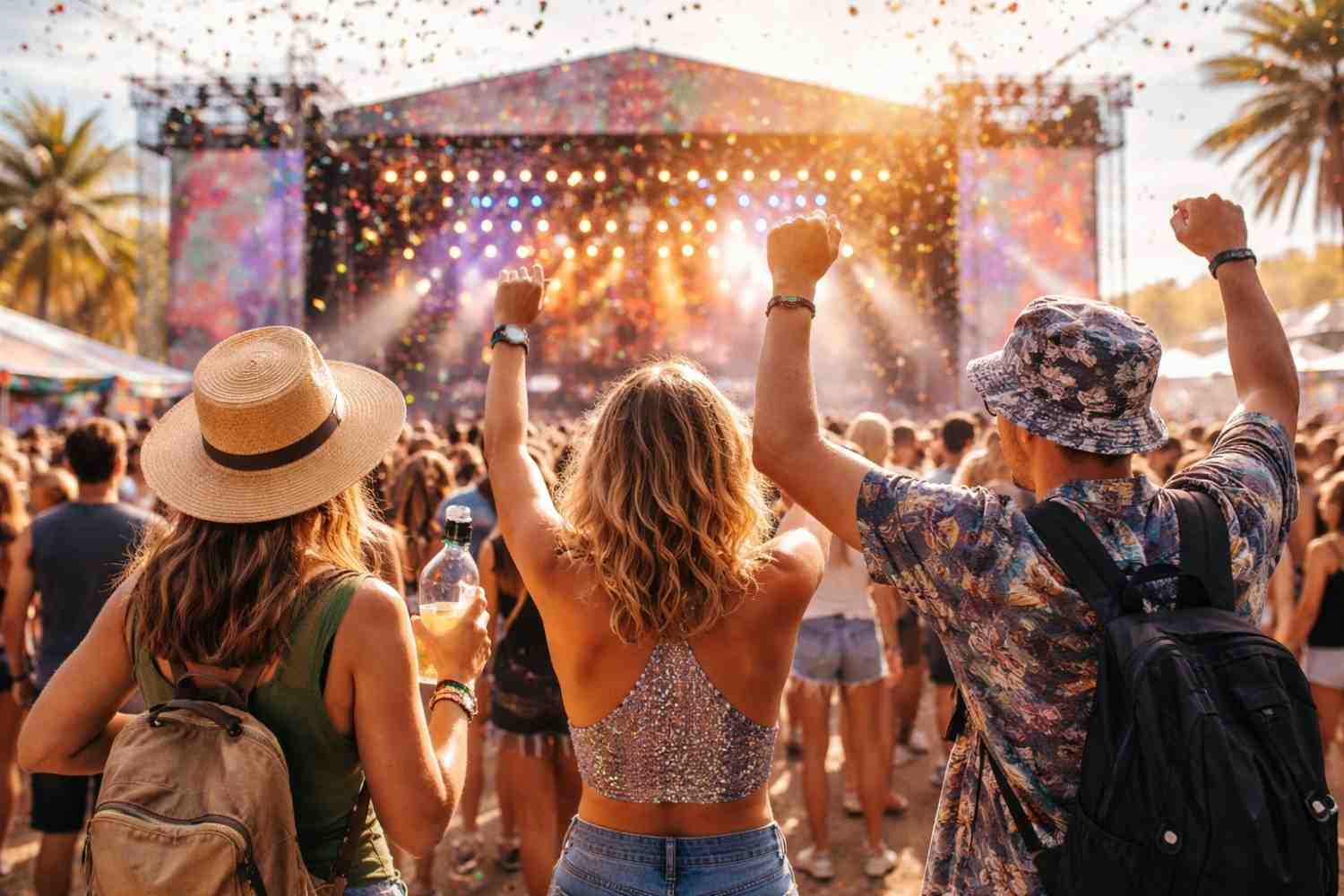
I love a multi-day music festival, but I learned early on that excitement alone doesn’t carry you through three or four straight days on your feet. Burnout doesn’t usually show up during the headliner on night one. It sneaks in on day two when your body feels heavy, your brain feels overstimulated, and you still have hours left in the heat and crowds.
These days, I treat festivals like an endurance experience, not a sprint. The goal isn’t to do everything — it’s to still feel good when the final set ends. This guide breaks down exactly how I survive multi-day music festivals without burning out, using routines that actually work in real festival conditions.
Why do multi-day music festivals cause burnout so fast?
Burnout at festivals rarely comes from just one thing. It’s usually a stack of small stressors building up at once — dehydration, sun exposure, poor sleep, nonstop noise, heavy food, and zero mental breaks.
Most festival survival guides focus on what to pack. That matters, but it’s not enough. What really determines whether you last all weekend is how you preserve energy early, pace your days, and recover overnight. Once I shifted my mindset from “go hard” to “stay steady,” festivals became far more enjoyable.
How I prioritize physical preservation so my body lasts all weekend
The biggest mistake I used to make was assuming my body could just push through anything. Now I treat physical preservation as the foundation of my entire weekend.
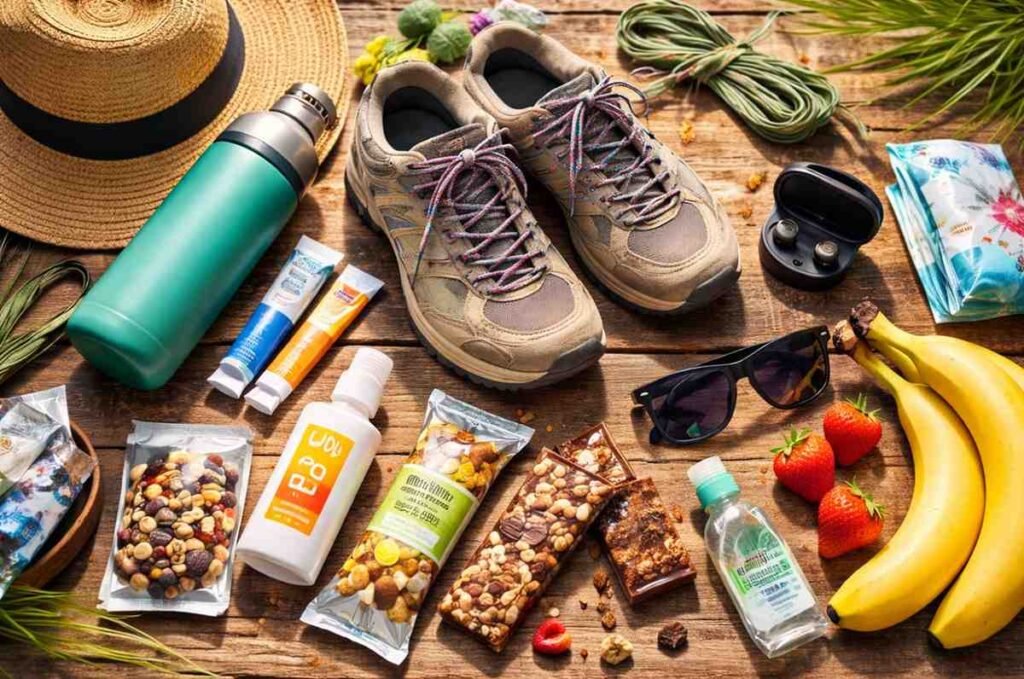
I start hydrating 24 to 48 hours before the festival, not when I arrive. Showing up already hydrated makes a noticeable difference in energy, mood, and heat tolerance. Once inside, I rely on refill stations and sip consistently instead of trying to catch up when I already feel drained.
Foot care is non-negotiable. I wear closed-toe shoes with real arch support every single time. Foot fatigue spreads upward fast — sore feet turn into sore knees, hips, and lower back, which quietly drains energy and patience. I also wear high-fidelity earplugs during louder sets. Protecting my hearing reduces sensory overload and helps me feel less exhausted at the end of each night.
Food choices matter more than people admit. Living on fried festival food and sugar creates energy spikes followed by hard crashes. I aim for meals with protein and carbs when possible and keep nutrient-dense snacks on hand — protein bars, trail mix, fruit, or jerky. Stable blood sugar equals stable energy.
Sun protection is part of energy management too. I reapply SPF 30+ every couple of hours and wear a hat whenever I can. Even on cloudy days, sun exposure quietly drains stamina. When I protect my skin, I stay cooler and more mentally sharp.
How I pace each festival day so I still feel good at night
Burnout usually comes from poor pacing, not lack of enthusiasm. Once I stopped trying to “win” every hour of the day, everything changed.
I use what I call the headliner-first strategy. Each day, I choose one or two must-see sets and plan to give those my best energy. Everything else becomes flexible. The time between sets is perfect for lower-intensity movement — sitting in the shade, stretching, wandering slower areas, or just people-watching.
I also schedule rest the same way I schedule music. About every three hours, I deliberately stop for 20 to 30 minutes. Sometimes I stretch my calves and hips. Other times I sit quietly and reset my breathing. When crowds feel overwhelming, I use a simple breathing pattern — inhale for four seconds, hold for four, exhale for eight. That one habit keeps my nervous system from tipping into overload.
Alcohol and caffeine aren’t off-limits for me, but I pace them carefully. I alternate every alcoholic or caffeinated drink with a full glass of water. This prevents dehydration, reduces energy crashes, and helps me feel far better on day two and three.
What I eat and drink to keep energy steady across multiple days

Hydration stays simple. I carry a refillable bottle or hydration pack and sip regularly instead of waiting until I’m thirsty. If it’s hot, I’m sweating heavily, or I’m drinking alcohol, I add electrolytes once or twice a day to replace what I’m losing.
For food, I focus on consistency rather than perfection. I eat a protein-based breakfast whenever possible, aim for at least one solid meal during the day, and keep snacks available so hunger never turns into exhaustion. Eating before drinking also makes a massive difference in how I feel the next morning.
How I protect sleep and recover overnight at festivals
Sleep is the difference between loving a festival and barely surviving it. Before the event, I aim for solid rest so I don’t start already depleted. During the festival, I accept that sleep won’t be perfect — but I still protect it.
I use earplugs and an eye mask to block early sunrise and campsite noise. Even improving sleep quality slightly helps my body recover. I also follow a short wind-down routine each night: wipe down, change into dry clothes, drink water, and eat a light snack. That sequence tells my body the day is over.
Between days, I do light stretching or gentle yoga to reduce stiffness. Completely collapsing into a chair actually makes soreness worse. A few minutes of movement helps me wake up feeling human again.
If my schedule allows, I build in a buffer day before or after the festival. Arriving early or staying an extra day gives my nervous system time to decompress before real life resumes — and it prevents that post-festival crash from hitting as hard.
How-To: My step-by-step anti-burnout festival routine
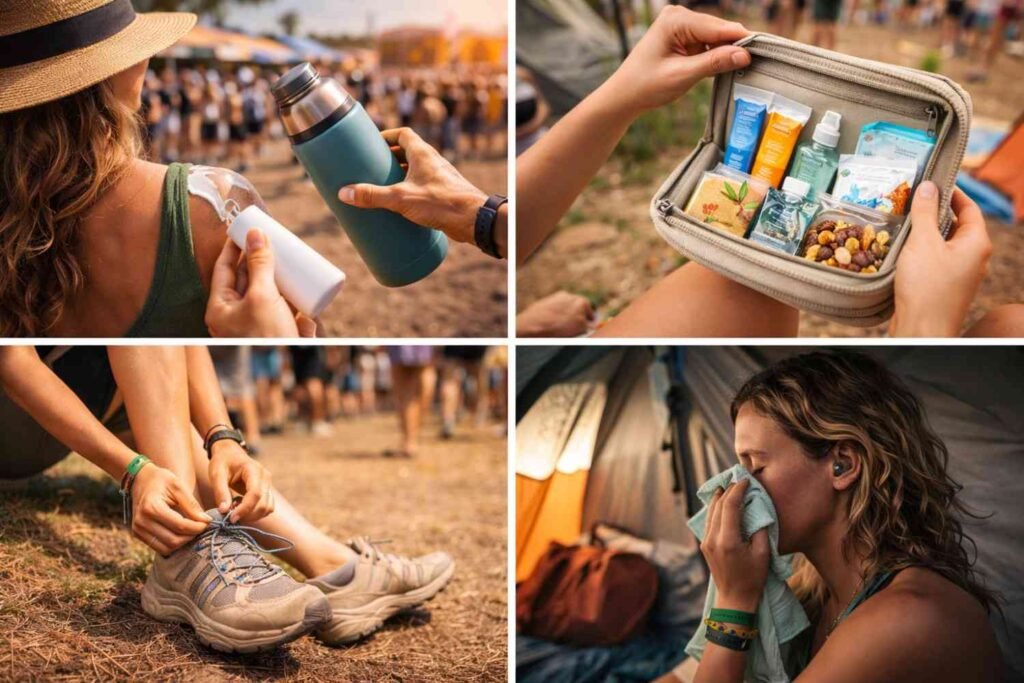
Step 1: Start every morning with water, protein, and sunscreen
Step 2: Carry a small reset kit with electrolytes, snacks, sunscreen, wipes, and earplugs
Step 3: Schedule two anchor breaks — one afternoon shade break and one early evening food break
Step 4: Protect your feet with supportive footwear
Step 5: End each night with hydration, dry clothes, and a short wind-down routine
Frequently Asked Questions (FAQs)
1. How do I survive day two when I already feel exhausted?
I immediately reset the basics — water, electrolytes, a real meal, and a shade break. Then I focus only on my must-see sets and let everything else be optional.
2. Are electrolytes really necessary at festivals?
They help when you’re sweating heavily, drinking alcohol, or spending long hours in the heat. I use them strategically, not constantly.
3. What’s the best way to avoid sensory overload in crowds?
High-fidelity earplugs, scheduled quiet breaks, and controlled breathing make a huge difference.
4. How much sleep do I actually need at a festival?
Perfect sleep isn’t realistic. Aim for consistency and protection — earplugs, eye mask, hydration, and a calm wind-down routine.
Final thoughts: how to enjoy the entire festival, not just survive it
Learning how to survive a multi-day music festival without burning out isn’t about discipline or restriction. It’s about respecting your body, pacing your energy, and recovering intentionally. When I focus on preservation, pacing, and recovery, I don’t just make it through the weekend — I enjoy the final night just as much as the first.