

The first festival ticket I ever bought felt harmless. I clicked buy, celebrated for five minutes, and moved on. Weeks later, I realized I had planned for the ticket but not for everything else. Travel costs piled up, food spending spiraled, and suddenly my entire summer budget felt tight. That was the moment I learned how to budget for a festival properly instead of guessing and hoping for the best.
This blog is built from that lesson and from studying what actually works today. Festivals are still fun, but they demand smarter planning. When your budget is intentional, your summer stays intact and the memories stay sweet.
Why Learning How To Budget For A Festival Matters
Festival costs are no longer simple or predictable. Ticket prices rise in tiers, travel fluctuates, and on site spending hits harder than expected. Without a plan, it is easy to overspend in small moments that add up fast.
Knowing how to budget for a festival gives you control over the entire experience. You enjoy the music without stressing about money later. A clear budget turns uncertainty into confidence and keeps your summer flexible.
What Makes Festival Budgeting Different From Regular Travel Budgeting
Festivals combine entertainment, travel, food, and impulse spending into one compressed experience. Unlike a regular trip, you cannot easily leave the venue or change plans once you are there.
That is why learning how to budget for a festival requires thinking ahead. You need to anticipate spending before emotions take over. When you plan for this difference, you avoid financial surprises and enjoy the event more fully.
Essential Expense Categories
Budgeting starts with understanding where the money goes. Breaking expenses into categories gives you clarity and helps you find your break even point.
Fixed Costs You Must Plan For

Fixed costs are expenses that do not change once you commit. These usually include the ticket price with fees, transportation to the location, and lodging if required. These numbers set the foundation for how to budget for a festival realistically.
Venue related expenses also influence ticket pricing. Production and infrastructure costs like stages, sound systems, sanitation, and lighting shape the quality of the event and indirectly affect what attendees pay.
Variable Costs During The Event
Variable costs depend on choices you make on site. Food, drinks, merchandise, lockers, charging stations, and transportation within the area all fall into this category.
Understanding these costs is critical when learning how to budget for a festival. They feel small in the moment but add up quickly across multiple days.
How Revenue Streams Affect Budget For A Festival
Knowing how festivals make money helps you understand pricing and find savings opportunities.
Ticket Sales And Pricing Tiers
Tickets are the main revenue source. Early bird pricing offers the best value, while last minute purchases cost more. Planning early helps you lock in lower costs and gives your budget breathing room.
Sponsorships And Vendor Fees
Getting sponsorships help with marketing. Also, helps offset production costs and sometimes reduce pressure on ticket pricing. Vendor fees from food and merchandise sellers support operations and infrastructure.
Ancillary Income Streams
Parking passes, camping upgrades, and official merchandise add flexibility for organizers. For attendees, these are optional expenses that should be planned intentionally as part of how to budget for a festival.
Why Contingency Fund Is The Golden Rule Of Festival Budgeting
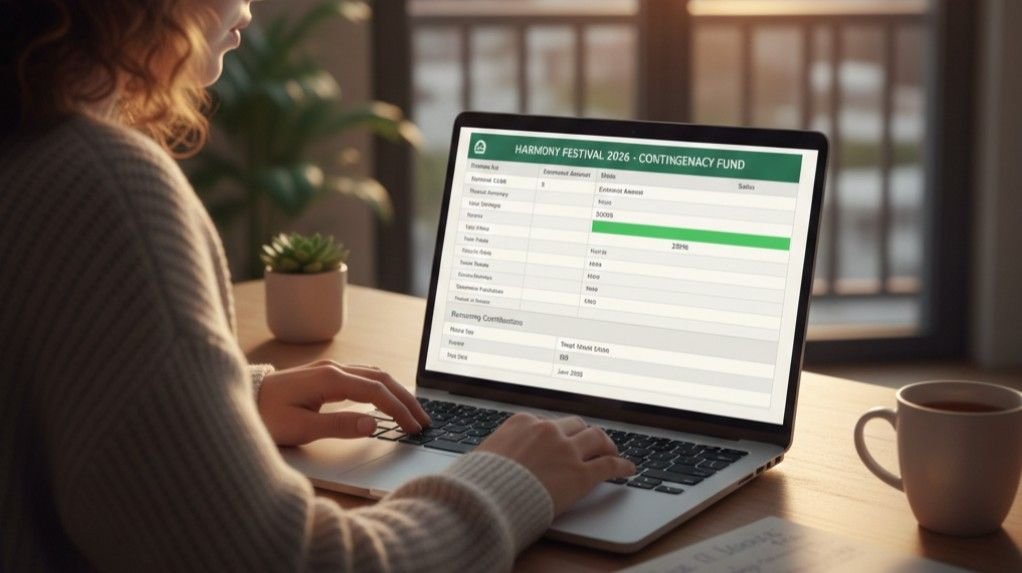
No matter how well you plan, something unexpected will happen. Weather changes, travel issues, or last minute needs can appear without warning.
A contingency fund of 10 to 15 percent is essential when learning how to budget for a festival. This buffer protects your experience and prevents stress. It allows you to handle surprises calmly instead of reacting emotionally.
How To Budget For A Festival Step By Step
The most effective way to plan is to follow a clear process that removes guesswork.
I start with the total ticket cost including all fees. This number anchors the budget. Next, I research travel and lodging using current prices instead of estimates. Even if plans change later, starting with real data keeps expectations grounded.
Then I calculate daily spending for food, drinks, and small purchases. I treat each day as a full spending unit rather than tracking every item. Finally, I add my contingency fund. This step by step approach to how to budget for a festival keeps everything balanced and manageable.
Pro Tips That Actually Save Money When Budgeting For A Festival
Small decisions made early create the biggest savings.

Book Early Whenever Possible
Early bookings often reduce costs by 20 to 40 percent. Tickets, lodging, and even equipment rentals benefit from early commitment. This is one of the most reliable ways to master how to budget for a festival.
Compare Multiple Options
Always check several options for major expenses like lodging and transportation. Comparing prices prevents overpaying and reveals better value.
Track Spending In Real Time
Using a simple spreadsheet or notes app helps you compare projected versus actual spending. Real time tracking keeps you aware without killing the fun.
How To Budget For A Festival Without Losing The Experience
Budgeting is not about restriction. It is about intention. I decide in advance what matters most to me at a festival. Sometimes it is the lineup. Other times it is comfort or convenience.
When priorities are clear, spending becomes intentional. This shifting of mindset is key to learning how to budget for a festival while still enjoying every moment.
Frequently Asked Questions
1. How early should I start planning how to budget for a festival?
The earlier you start, the easier it feels. Planning as soon as you consider attending spreads costs over time and unlocks better pricing. Early budgeting reduces stress and allows smarter decisions without pressure.
2. How much extra money should I include when learning how to budget for a festival?
A contingency fund of 10 to 15 percent is ideal. This covers unexpected expenses like weather related needs or travel changes. Having this buffer keeps the experience relaxed and enjoyable.
3. Can you learn how to budget for a festival on a tight income?
Yes. Budgeting is about clarity, not income. Choosing one meaningful festival and planning intentionally often costs less than multiple unplanned expenses. Clear priorities make festivals achievable at any income level.
4. Should I track spending daily during the festival?
Daily check ins help maintain balance. A quick review of spending keeps the next day realistic and prevents overspending. This habit reinforces awareness without reducing enjoyment.
The Smarter Way To Enjoy Festivals And Your Summer
Learning how to budget for a festival changed the way I experience summer. It removed stress, eliminated regret, and made every decision feel intentional. Budgeting does not reduce fun. It protects it.
My best advice is simple. Plan for major expenses, prepare for surprises, and spend with purpose. When your budget supports your experience, the memories last far longer than the weekend.