
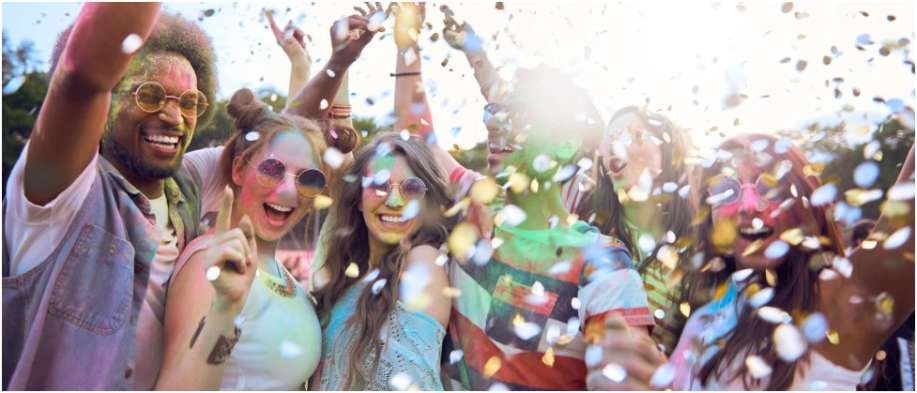
Going alone used to sound intimidating to me. Now it feels like a cheat code. This Solo Festival Guide comes from real weekends where I showed up solo, trusted my routine, and had more fun than I ever did coordinating group chats and meetup points.
When I go alone, I stop managing people and start managing energy. I follow music instead of schedules. I eat when I’m hungry, rest when I’m tired, and leave when it feels right. That freedom changes everything—and once you experience it, it’s hard to go back.
Why does going alone actually make festivals better?
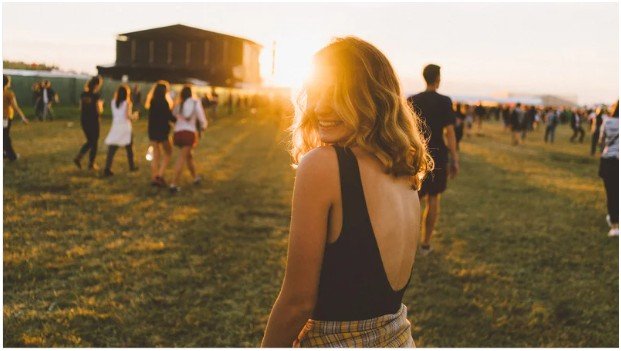
When I attend a festival solo, the noise in my head drops fast. I don’t negotiate stage choices or wait for friends in bathroom lines. I move when the music pulls me and stay when it hits right.
I also notice more. The sound mix near the speakers. The way crowds shift between sets. The unexpected artist who turns into my favorite discovery of the weekend. Solo doesn’t mean isolated—it means fully tuned in.
Ironically, I meet more people alone. I look approachable. I talk to strangers between sets. I float in and out of conversations without pressure. Freedom creates connection when you let it.
How do I mentally prepare to attend a festival alone?
I treat solo festivals like a routine, not a leap of faith. Before I go, I decide one thing: I don’t need to optimize the experience. I only need to stay curious and comfortable.
I remind myself that no one is watching me as closely as I think. Everyone else focuses on their own night, their own sound, their own group. That mindset frees me to dance badly, move often, and enjoy the moment.
I also set a soft intention. Sometimes it’s “discover one new artist.” Other times it’s “stay hydrated and leave early.” Simple goals keep the pressure low and the experience enjoyable.
What strategies help solo attendees enjoy music-heavy festivals?
Music-first festivals reward independence. I use what I call the “one-in, one-out” rule. As a solo dancer, I move through crowds more easily when I sway with the beat instead of pushing through. People respond better to rhythm than force.
I show up early. Early sets give me better sound positioning, room to breathe, and space to explore before darkness changes crowd flow. I often find my best artists before sunset, not at midnight.
I protect my hearing every time. Festival sound regularly crosses 100 dB, and damage adds up. High-fidelity earplugs like Loop Experience lower volume evenly without killing clarity. My ears thank me the next morning.
How do I meet people without forcing small talk?
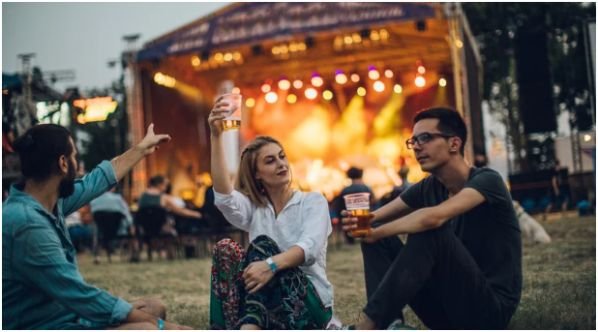
I stopped trying to “network” at festivals. Instead, I create openings. Small items like stickers, glow sticks, or gum make easy icebreakers. Offering something feels natural and friendly.
I also wear conversation starters. A bold hat, a weird jacket, or a band tee sparks compliments that turn into chats. I don’t chase interactions—they happen when I stay present.
I avoid scrolling between sets. Phones signal disinterest. When I stay aware, people talk to me about the artist, the sound, or the crowd energy. That’s how organic festival friendships start.
How do I stay safe while attending festivals solo in the US?
Safety becomes simpler when I plan early. I download Uber and Lyft before arrival. Large events like Ultra Music Festival and South by Southwest use designated rideshare hubs, which feel far safer than random pickups.
I keep valuables in a chest-worn fanny pack, never loose pockets. Crowds get dense fast to handle, especially near stages.
I also use the HALT check. Hungry, Angry, Lonely, Tired. If I feel off, I fix the basic need first. Most overwhelm disappears after water, food, or a quiet break.
Which apps actually help solo festival-goers?
I rely on apps before I arrive, not just onsite. Radiate connects solo attendees early and helps me spot meetups, after-parties, and real-time tips. I don’t force meetups, but knowing options exist builds confidence.
I also screenshot maps and schedules and set them as my lock screen. That habit saves battery and stress when service drops.
For SXSW-style festivals, I skip expensive badges and chase unofficial day parties. They attract other solo music hunters and feel relaxed, spontaneous, and welcoming.
How-To: My Solo Festival Routine (Step by Step)
How do I plan my solo festival day?
I arrive early on day one and walk the grounds sober. I locate water stations, medical tents, exits, and bathrooms while it’s light. Familiarity removes anxiety later.
How do I manage energy across long festival days?
I treat hydration like a non-negotiable. A hydration pack lets me stay in the crowd longer without leaving my spot. I eat before hunger hits and rest before exhaustion arrives.
How do I leave safely at night?
I walk a few blocks away from the venue before requesting rides. Surge pricing drops and pickups feel calmer. I check in with someone back home, even if it’s just a text.
FAQs About Going to Festivals Alone
1. Is it weird to go to a festival alone?
Not at all. Most people won’t even notice. Festivals attract independent travelers, especially in the US. Going solo often makes you more approachable and flexible, not awkward. Once you arrive, the music takes over and the fear fades fast.
2. How do I avoid feeling lonely during the event?
Loneliness usually shows up when energy dips. I eat, hydrate, or rest first. I also move closer to music-heavy areas. Sound fills space emotionally. If I want a connection, I join workshops or art installations where conversation flows naturally.
3. What if something goes wrong and I’m alone?
That’s why preparation matters. I save emergency contacts, map medical tents, and keep my phone charged. US festivals have strong infrastructure and staff. Solo doesn’t mean unsupported—it means self-aware.
4. Can beginners handle solo festivals?
Absolutely. I recommend starting with daytime events or community-focused festivals. Confidence grows quickly. After one successful solo experience, the idea stops feeling brave and starts feeling normal.
The Main-Character Energy Ending You Deserve
Going alone taught me that fun doesn’t require coordination—it requires permission. This Solo Festival Guide exists because I stopped waiting for perfect plans and started trusting my own rhythm.
If you’ve been on the fence, consider this your nudge. Go alone. Dance longer. Leave earlier. Chase sound. Protect your energy. And remember—your favorite festival memories might start the moment you stop waiting for someone else to come with you.
Key Takeaways
| Solo Festival Habit | Why It Works |
| Arrive early | Better sound, easier navigation |
| Wear conversation starters | Organic social moments |
| Use rideshare hubs | Safer exits |
| Protect hearing | Long-term music enjoyment |
| Trust your routine | Confidence replaces anxiety |