
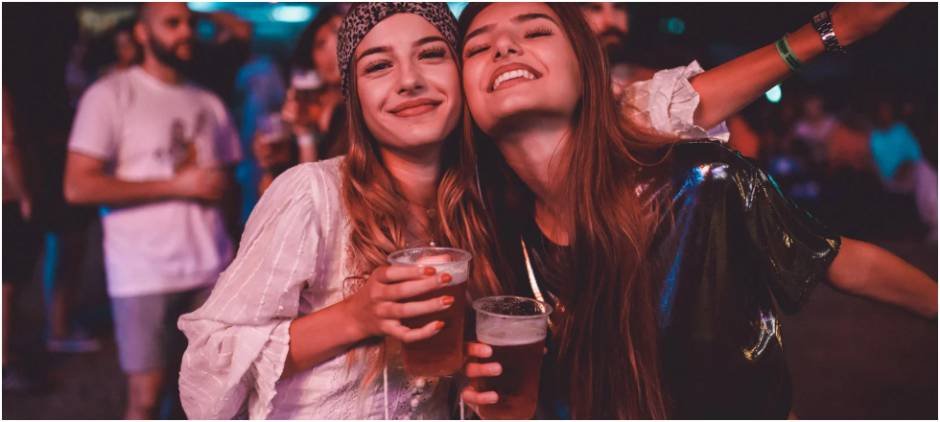
I learned Festival Etiquette the hard way—by accidentally being that person.
At my first big U.S. festival, I stopped in the middle of a walkway to check my map. I wore a bulky backpack that smacked strangers every time I turned. I tried squeezing toward the rail right before a headliner, thinking politeness would save me. It didn’t. No one yelled, but the looks said everything.
Over time, I built a simple festival routine. Nothing dramatic. Just habits that keep the experience smooth, safe, and genuinely fun—for me and for the people around me. If you want to enjoy festivals without stressing yourself or the crowd, this is the Festival Etiquette playbook I actually follow.
What does Festival Etiquette look like in the pit?
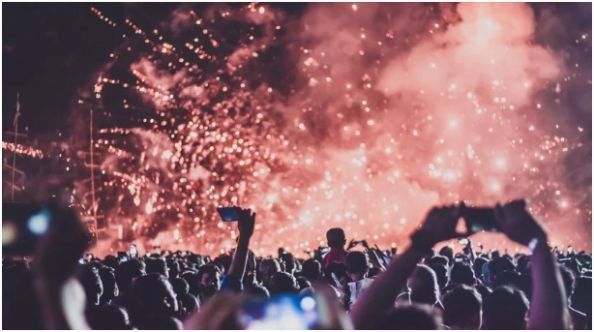
The pit may look chaotic, but it runs on trust. When I step into it, I commit to awareness. I watch the people around me just as much as I watch the stage.
The most important rule never changes: if someone falls, everything stops. I don’t hesitate. I help them up immediately, and others usually follow. That single habit prevents injuries and keeps the pit fun instead of dangerous.
Consent matters here. Moshing works only when everyone opts in. I never pull someone into the pit or pressure them to “just try it.” If I want high energy, I choose it. If I want calm, I step back. Both choices are valid.
And I keep my hands to myself. Always. Accidental bumps happen, but harassment is never accidental. If someone crosses that line, security needs to know. Festivals are built on shared enjoyment, not tolerance for bad behavior.
How do I handle the rail without being disrespectful?
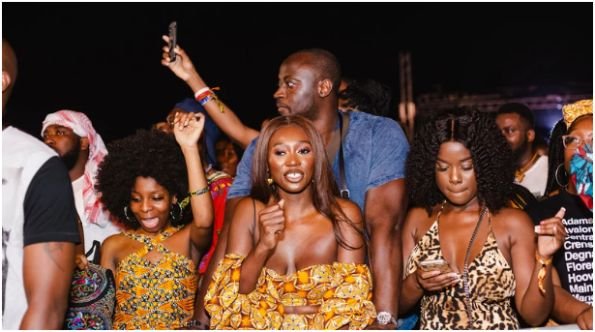
The rail feels special because it is. People earn it by arriving early, standing for hours, and committing to that spot. If I want it, I plan for it. If I don’t, I don’t pretend I deserve it five minutes before the set starts.
When I’m at the rail, I ground myself. Feet planted. Elbows in. Crowd surges happen during big moments, and I don’t fight them. I brace, breathe, and move with the flow so no one gets knocked over.
I also treat security like teammates. They hand out water, manage rescues, and watch for distress. I keep access points clear and follow instructions quickly. When someone needs help, I create space instead of blocking the process.
One detail many people miss: front-of-stage areas are designed to manage pressure. Barriers, pens, and side lanes exist for safety. If the crowd tightens, I move diagonally toward the edges. Pressure releases faster there, and exiting becomes easier without panic.
How do I survive festival lines without losing patience?
Lines are unavoidable, so I don’t treat them like a personal inconvenience. That mindset shift alone improves the day.
I never cut, and I don’t save spots for a group that isn’t there. If I want to queue with friends, we enter together. If someone steps out briefly, I keep it reasonable and respectful.
When I reach the front, I’m ready. Ticket open. ID accessible. Payment in hand. One unprepared person can slow hundreds of people, and nobody enjoys that energy.
I also time things better now. I hit merch lines between sets, not right after a headliner. I refill water before I’m desperate. Small planning habits turn lines into a minor pause instead of a meltdown.
How do I respect shared space when it’s packed?
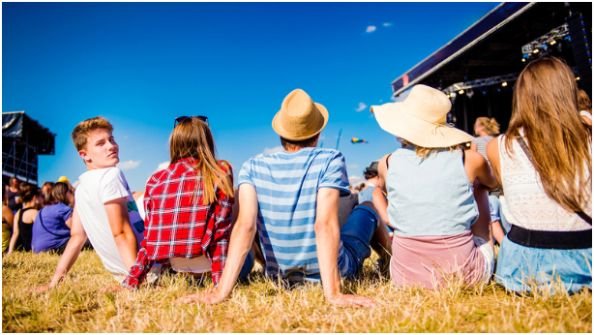
Crowded festivals demand spatial awareness. I think about my “crowd footprint” all day.
I avoid bulky backpacks in dense areas because they swing and hit people behind me. A crossbody or fanny pack stays close and makes movement easier. I turn carefully and stay conscious of who’s around me.
I also protect sightlines. I film short clips, then drop my phone. I don’t hold it up for an entire set. I avoid extended shoulder rides that block views, and if I carry a totem, I keep it high and considerate. Everyone paid to see the stage.
If I need to stop—checking a map, regrouping, talking—I step to the side. Walkways need flow, especially during set changes. Stepping aside prevents bottlenecks and keeps things safer.
And I don’t litter. Trash goes in bins. Spills get handled. “Leave no trace” isn’t just a slogan—it’s proof you respect the space and the people in it.
How do I choose the right spot in a crowd?
I don’t pick my spot based on ego. I pick it based on comfort, safety, and the experience I want that hour.
| Zone | Best for | What it feels like | Etiquette focus |
| Pit | High energy, moshing | Fast movement, close contact | Help people up, respect opt-in |
| Rail | Front-row fans | Hot, tight, high pressure | Arrive early, follow security |
| Mid-crowd | Balanced sound & space | Dense but manageable | Don’t block views |
| Back/edges | Chill viewing | Breathing room, exits | Keep walkways clear |
If I want intensity, I commit to pit behavior. If I want the rail, I plan ahead. If I want an easy night, I choose the edges and enjoy the music without stress.
How do I practice Festival Etiquette step by step?
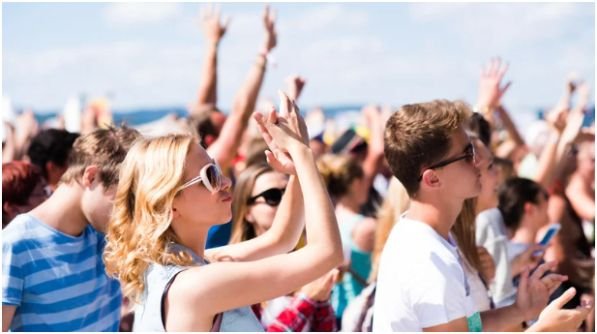
I treat festival day like a routine.
First, I pack light and wear shoes I trust. I keep essentials accessible so I’m not digging through a bag while lines move.
Second, I choose my zone before the set starts. I move early instead of squeezing into packed spaces mid-song.
Third, I watch the crowd as much as the stage. If someone falls, I help. If someone looks overwhelmed, I make space and guide them toward an exit lane.
Fourth, I cooperate with security and hydration. I pass water back. I follow instructions immediately. Safety moments aren’t interruptions—they’re part of the experience.
Finally, I exit smart. I move diagonally toward the sides instead of pushing backward through the center. Edges release pressure faster and let everyone breathe.
FAQ: Festival Etiquette
1. Is it rude to move closer during a set?
It depends on timing and behavior. I move before the set starts and aim for open gaps, not packed sections. If people clearly waited for a spot, I respect that. Planning early avoids awkward moments.
2. What should I do if the crowd starts to feel dangerous?
I protect my breathing space, stay calm, and move diagonally toward the sides. I follow security instructions immediately and help others if I can. Panic makes things worse—calm movement helps everyone.
3. How do I deal with nonstop filming or bumping?
I start polite and direct. Most people adjust once they realize. If someone gets aggressive, I move away and involve security if needed. Protecting your peace matters.
4. What’s the best etiquette for groups?
Groups should move tight and single-file. Meet at landmarks, not in dense crowds. Don’t save spots for absent friends. If everyone wants the same view, everyone needs to show up.
So… are you here to enjoy the festival or become the problem?
That question keeps me grounded. When I choose awareness over impatience, I enjoy the music more and leave with better memories.
Key Takeaways
- Help people up in the pit.
- Respect the rail and the effort it takes to earn it.
- Move to the sides when pressure builds.
- Wait your turn in lines.
- Stay aware of your space.
Try one small etiquette upgrade at your next festival. You’ll feel the difference—and so will everyone around you.