

I used to think getting a good spot meant showing up painfully early and suffering through it. After years of concerts, music festivals, parades, and packed events, I learned something better. Timing matters more than brute patience. Knowing how early should you arrive to get a good spot saves energy, keeps you comfortable, and still puts you exactly where you want to be.
A good spot is not always front row. Sometimes it means clear sightlines, great sound, personal space, or an exit path that does not feel like a maze. Once I stopped chasing the barricade by default, events became way more enjoyable.
How Early Should You Arrive to Get a Good Spot at Concerts?
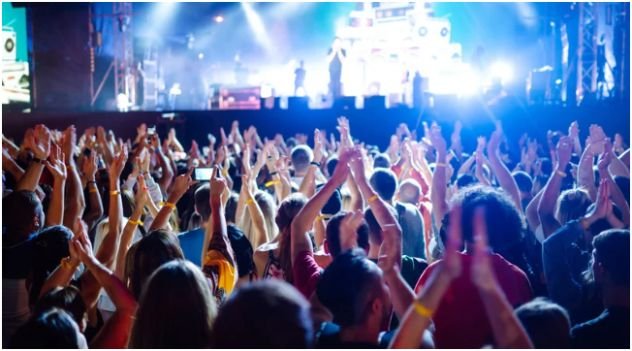
General admission concerts reward smart timing more than raw endurance. If I want the barricade at a sold-out show, I arrive up to six hours early. That is the reality. Hardcore fans line up fast, especially for big artists with loyal followings.
For a genuinely good spot that still feels fun, I aim for one to two hours before doors open. That window gives me flexibility. I can move with the first crowd surge, read the room, and position myself without stress. I avoid getting stuck behind tall people or blocked sightlines.
I also learned that the best sound often sits near the sound booth, not the stage. Engineers mix the show from that exact point. When I stand there, I see clearly, hear everything, and leave without fighting a wall of bodies.
How Early Should You Arrive to Get a Good Spot at Music Festivals?
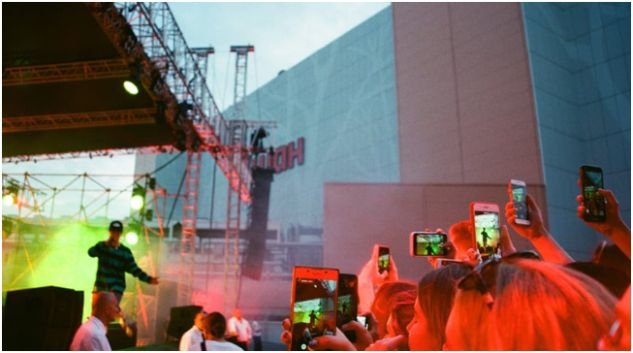
Festivals run on a different rhythm. Stages rotate, crowds migrate, and energy comes in waves. If I want to get close for a headliner, I do not camp all day. That approach drains you before the night even starts.
Instead, I arrive at the main stage two to three hours before the headliner. The real move happens before the second-to-last set. People leave, regroup, or switch stages. I step forward gradually as gaps open. By the time the penultimate set ends, I already hold strong ground.
After that set, expect a surge. I brace my stance, protect my bag, and stay calm. The crowd settles again once the headliner begins. That moment rewards preparation, not panic.
How Early Should You Arrive to Get a Good Spot for Parades and Public Events?

Parades look simple, but timing can make or break the experience. High-demand parades with security checkpoints require early commitment. I arrive at least thirty minutes before gates open, sometimes earlier, to beat long entry lines.
For theme park or local parades, I show up thirty to forty-five minutes early. That gives me front-row curb space without standing around forever. I avoid the parade starting point because crowds pack tightly there. Mid-route spots often feel calmer and offer just as good a view.
Shade, exits, and restrooms matter more than you think. I always scan those first before committing to a spot.
How Early Should You Arrive to Get a Good Spot When Travel or Seating Is Assigned?
Airports and professional events work differently. Seats may have numbers, but overhead bin space and comfort still depend on timing. I arrive two hours early for domestic flights and three hours early for international ones. That ensures early boarding groups and less stress.
If I speak at an event or present professionally, I arrive forty-five to sixty minutes early. I test equipment, walk the room, and get comfortable before people arrive. Confidence comes from preparation, not rushing.
How Do You Balance Comfort, Hydration, and Holding Your Spot?
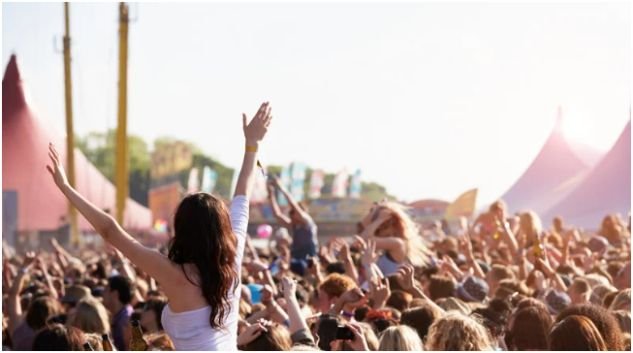
This is where most people struggle. I front-load food and water early in the day. I eat a solid meal, hydrate properly, and rest before committing to a crowd hold. Once I enter a packed area, I sip water instead of chugging it.
Bathroom strategy matters in festivals. I always go right before entering a general admission floor. Leaving mid-set almost guarantees losing your spot. I stretch lightly, bend my knees, and shift weight often to avoid stiffness.
Listening to your body matters more than any view. If dizziness or discomfort hits, I step out. No spot is worth risking health.
How-To: How Early Should You Arrive to Get a Good Spot (Step-by-Step)
Step 1: Define “good spot” for you
Decide whether you want front row, great sound, personal space, or easy exits. This choice determines everything else.
Step 2: Check the event format
General admission, rotating festival stages, seated venues, and parades all follow different crowd rules. Match your timing to the format.
Step 3: Arrive early enough to prepare, not suffer
I show up early to eat, hydrate, plan, and relax. I do not lock myself into a crowd until timing actually matters.
Step 4: Enter at the smart moment
For concerts, that is shortly after doors open. For festivals, it is before the penultimate set. For parades, it is before curb space fills.
Step 5: Hold your ground calmly
I keep a balanced stance, protect the bag along with my phone, and avoid aggressive movement. Calm confidence holds spots better than force.
Quick Timing Cheat Sheet
| Event Type | Ideal Arrival Window |
| GA Concert (Front Row) | Up to 6 hours early |
| GA Concert (Good View) | 1–2 hours before doors |
| Festival Headliner | 2–3 hours before set |
| Parade (High Demand) | 30–60 minutes before gates |
| Parade (Local) | 30–45 minutes early |
| Flights (Domestic) | 2 hours early |
| Flights (International) | 3 hours early |
FAQ: How Early Should You Arrive to Get a Good Spot?
1. Is arriving early always worth it?
Not always. Early arrival helps when space is first-come, first-served. If seating is assigned or crowds rotate, timing matters more than duration. I focus on strategic entry rather than long waits.
2. Can you still get close without camping all day at festivals?
Yes. I consistently get close by entering before the penultimate set and advancing naturally as people leave. Camping all day usually leads to exhaustion and missed experiences.
3. What if I go with friends?
Group coordination helps. I set a meeting point outside the crowd, enter together, and avoid spreading out too much. Holding space politely works better than aggressive pushing.
4. What should I do if the crowd surges?
I plant my feet, bend my knees slightly, and protect my belongings. Staying calm and grounded prevents panic and helps the crowd stabilize faster.
So…How Early Is Early Enough?
Here is the truth I wish someone told me sooner. A good spot comes from awareness, not suffering. When you understand crowd patterns, fuel your body, and time your entry right, you stop chasing the front and start enjoying the experience.
My best nights happened when I trusted preparation over pressure. Show up smart, stay comfortable, and let the crowd work in your favor. That is how you actually win the spot.
Key Takeaways:
Timing beats endurance. Preparation beats panic. Comfort beats chaos.