
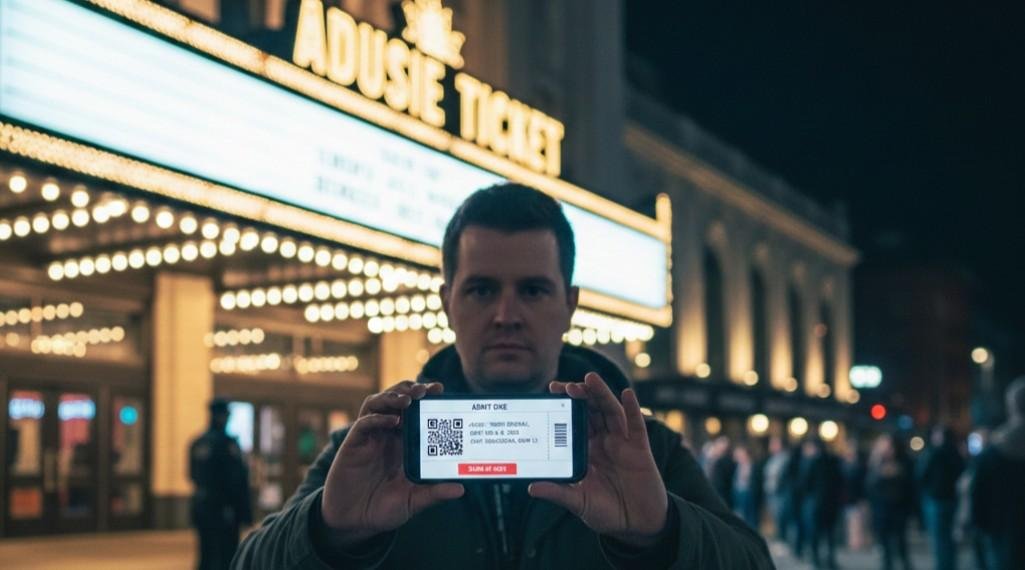
I remember the excitement of scoring last-minute tickets to my favorite concert. The adrenaline rush was real—until I realized I’d almost been scammed. The deal seemed too good to pass up, but something about the seller’s profile felt off.
I’m lucky I caught the red flags early. If you’ve ever been in a similar situation, you know how easily you can fall prey to online ticket scams. I’m going to break down the best ways to avoid ticket scams, so you can enjoy your events without the worry of getting duped.
What Are the Most Common Ticket Scams You Need to Avoid?
Before we dive into the nitty-gritty of how to avoid ticket scams, let’s familiarize ourselves with the common types of fraud out there. Fake Tickets are probably the most prevalent. Scammers sell counterfeit tickets, hoping you won’t spot the difference until it’s too late.
Another scam is the Phantom Ticket Scam, where sellers claim they have tickets but disappear with your money. Lastly, Resale Markup Scams involve sellers jacking up prices on tickets that are not even in hand yet. Familiarizing yourself with scams is the first step in staying safe when buying tickets online.
How Can You Safely Buy Tickets Online?
When buying tickets online, the safest route is to purchase directly from the official venue box office or authorized primary sellers like Ticketmaster, AXS, or the event organizer’s website. These platforms offer a level of protection you won’t find on third-party sites. If you must buy from the secondary market, there are a few essential safety steps you should follow.
Use Protected Payment Methods
The best way to protect yourself is to use credit cards. They offer fraud protection and the ability to dispute charges if something goes wrong. If you’re using PayPal, opt for “Goods and Services” instead of “Friends and Family” for buyer protection. Avoid paying via wire transfers, gift cards, or cash apps like Zelle or Venmo. These payment methods offer no recourse once the money is sent.
How Can You Vet the Seller and Listing?
When buying from secondary marketplaces like StubHub, SeatGeek, or Vivid Seats, always vet the seller and listing. Here are a few ways to ensure you’re dealing with a trustworthy source:
Check Official Resale Platforms
Reputable platforms like StubHub or SeatGeek often provide buyer guarantees and security features. You can rest easy knowing these platforms typically verify sellers and tickets before listing.
Verify Seat Existence
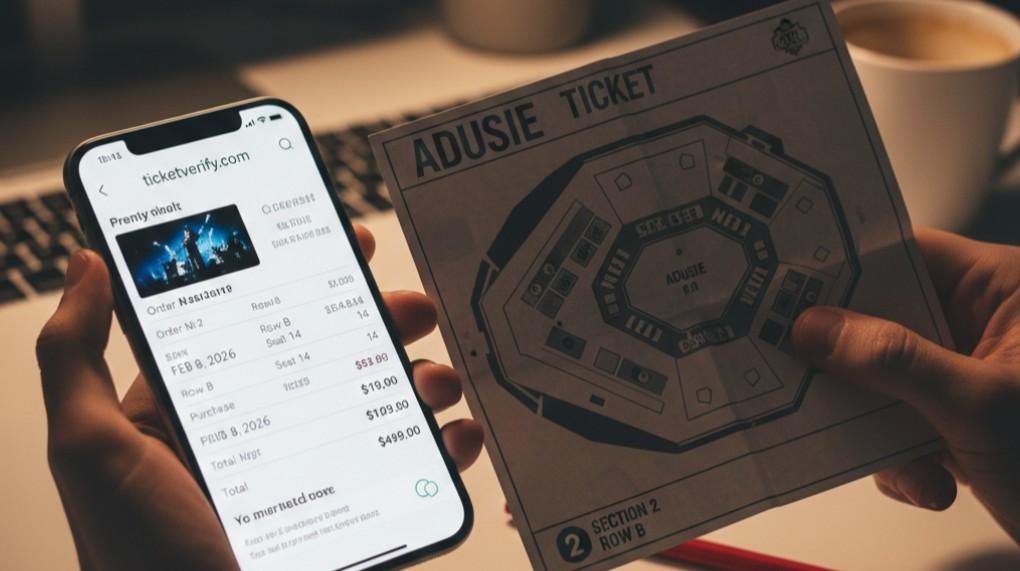
Take a moment to check if the seats listed actually exist. Use the venue’s official seating chart to confirm that the section and seat numbers are real. Scammers may list nonexistent seats, hoping you don’t check.
Analyze Social Media Profiles
If you’re buying from a seller on social media, be sure to check their profile for credibility. If the account is new, has no history, or looks suspicious, steer clear. Ask for a screen recording of the seller opening the official ticketing app and showing the tickets to ensure the listing is real.
What Are the Major Red Flags to Watch Out For?
Ticket scams are often accompanied by a few telltale signs. Here are some red flags you should always watch out for when buying tickets:
Pressure Tactics
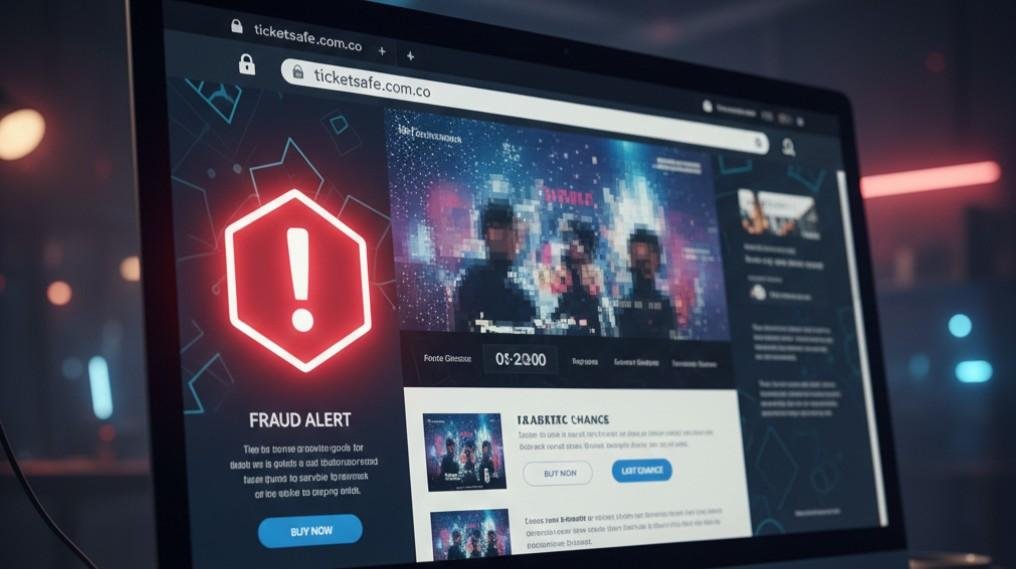
Scammers often use pressure tactics to rush your decision, claiming there are “other buyers waiting” or that the ticket prices will “increase soon.” If someone’s pushing you to buy quickly, take a step back and reevaluate the situation.
Underpriced Tickets
If you find tickets for a sold-out show at a ridiculously low price, it’s almost certainly a scam. Scammers often lure in buyers with deals that seem too good to be true. Because they are.
URL Mimicry
Be cautious of websites that look similar to well-known ticket platforms but have slight misspellings in the URL, such as “tickettmaster.com” instead of “ticketmaster.com”. Always double-check website addresses to make sure you’re on the right site.
How to Avoid Ticket Scams: A Step-by-Step Guide
Buying tickets online doesn’t have to be risky if you follow these simple steps:
Step 1: Stick to Trusted Websites
Always purchase tickets from official sources like the venue’s website or well-known authorized sellers like Ticketmaster and AXS.
Step 2: Use Secure Payment Methods
Always pay with a credit card for protection. Avoid payments via wire transfer, gift cards, or peer-to-peer apps like Zelle or Venmo.
Step 3: Verify the Seller and Listing
Check the seller’s ratings and reviews on official resale platforms like StubHub or SeatGeek. Confirm the seat numbers on the venue’s seating chart and ask the seller for a screen recording showing the tickets in their app.
Step 4: Watch for Red Flags
If the deal seems too good to be true, it probably is. Be wary of pressure tactics and underpriced tickets. Double-check the URL of any ticketing site before making a purchase.
Step 5: Use Verification Resources
Verify the authenticity of the ticket seller through trusted resources like the Better Business Bureau (BBB) or the National Association of Ticket Brokers (NATB). Use these platforms to check the seller’s reputation.
By following these simple steps, you can minimize your risk of falling victim to ticket scams.
Frequently Asked Questions
Q1: Can I trust buying tickets from a resale platform like StubHub?
Yes, StubHub is a reputable resale platform with buyer protection guarantees. However, always double-check the listing, verify the seats, and use credit cards for the safest transaction.
Q2: How can I tell if an event ticket is counterfeit?
To verify a ticket’s authenticity, check for watermarks, holograms, or QR codes. If you’re buying e-tickets, confirm the details through the official ticketing app and ensure the seat numbers match the venue’s chart.
Q3: What should I do if I think I’ve bought a fake ticket?
If you suspect your ticket is fake, contact the event organizer immediately. Dispute the charge with your credit card provider and report the scam to platforms like BBB or NATB for further assistance.
Q4: Is it safe to buy tickets from social media sellers?
While you can find legitimate sellers on platforms like Facebook Marketplace, always vet the seller by checking their profile and asking for proof of the tickets. Stick to secure payment methods like PayPal and avoid cash apps.
Stay Safe and Enjoy the Show
Ticket scams are no joke, but with the right precautions, you can buy tickets with confidence and avoid the headache of fraud. Remember to verify sellers, use secure payment methods, and always double-check details before clicking “Buy Now.” By following these steps, you can secure your tickets and focus on enjoying the event—without worrying about scams. Stay smart, trust your gut, and enjoy the show!