
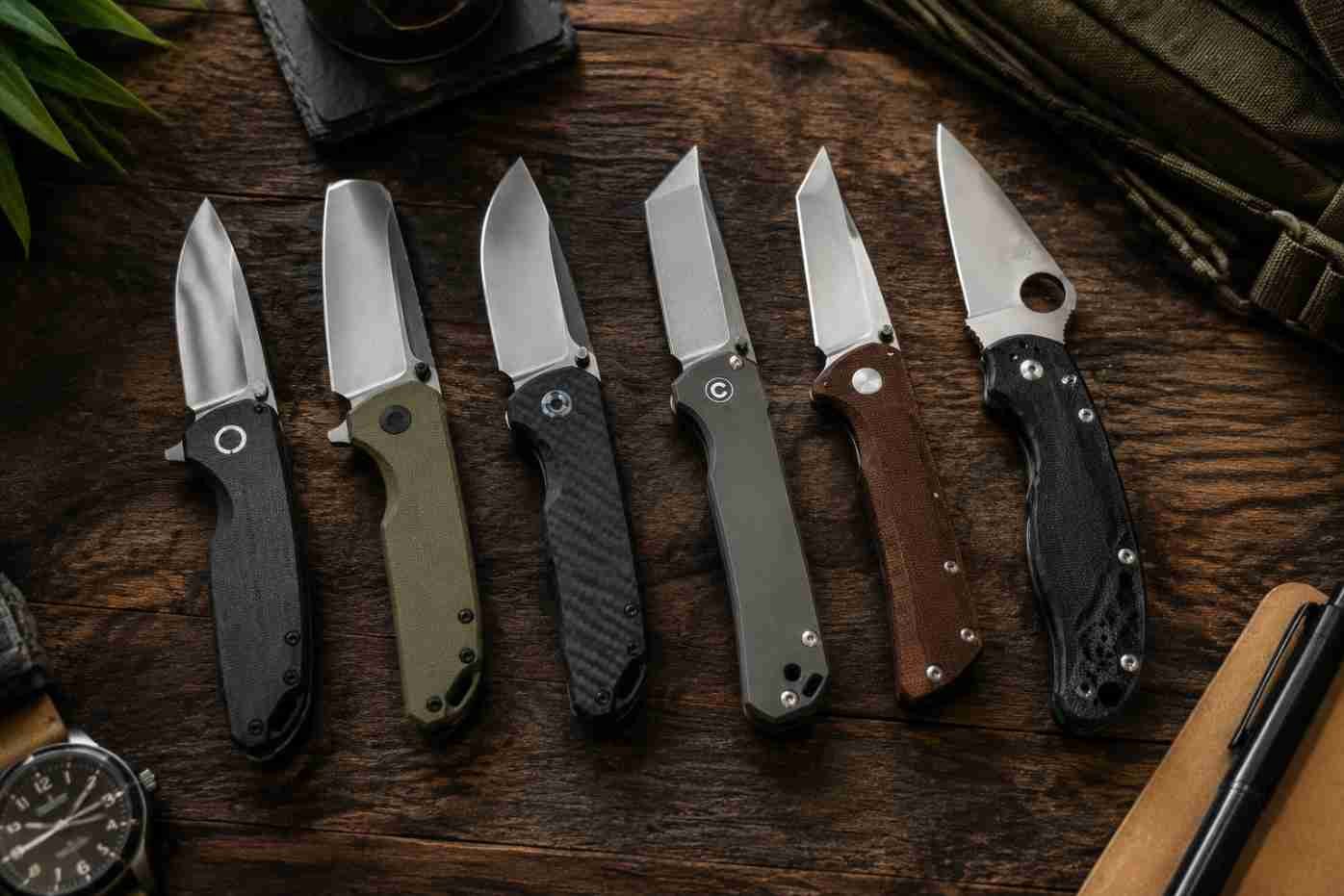
Choosing among EDC knives is not really about finding the “best” material in the abstract. It is about matching the steel and handle to the way the knife will actually be used, carried, cleaned, and sharpened. A material that feels perfect on paper can become the wrong choice if it adds too much weight, needs too much upkeep, or wears in a way the user does not want.
That is why material choice matters so much. On a daily carry knife, the blade steel and handle material shape the experience as much as the design itself. They influence how long the edge lasts, how the knife rides in a pocket, how it handles moisture, and how demanding it is to maintain over time. Knafs builds its lineup around those tradeoffs, which makes it easier to think in practical terms rather than chasing specs for their own sake.
The Real Tradeoff: Performance Is Never One-Dimensional
The biggest mistake buyers make is assuming a single material can maximize everything at once. In reality, EDC knife materials always involve compromise. A steel with excellent corrosion resistance may sharpen more easily but give up some edge retention. A featherlight handle may carry beautifully but feel less substantial in hand. A tough blade may shrug off hard use but demand more attention at the bench.
The same practical approach applies to how to keep your phone safe in crowds, where choosing the right precautions requires balancing convenience, accessibility, and security.
For most people, the right decision starts with honest priorities:
- If you want low maintenance, corrosion resistance matters more than exotic wear numbers.
- If you carry all day, weight and ergonomics matter more than bragging rights.
- If you use a knife hard, toughness matters more than a perfectly polished edge profile.
- If you sharpen often, simpler steels can be a smart advantage rather than a downgrade.
Knafs understands that balance well. Its lineup spans budget-friendly steels like D2, 8Cr14MoV, Nitro-V, and 14C28N, along with premium choices like MagnaCut, S35VN, and Elmax. That range is useful because it lets the buyer choose based on actual habits, not just a spec sheet.
Why Blade Steel Deserves First Attention
The blade does the work, so steel selection usually has the biggest impact on performance. Edge retention, corrosion resistance, toughness, and sharpening difficulty all live here. A person who uses an EDC knife for boxes, cordage, food prep, and light utility needs a different steel profile than someone who wants a more rugged backup tool.
In practical terms, edge retention helps the knife stay sharp longer between sharpenings. Toughness helps it resist chips and damage under stress. Corrosion resistance becomes more important if the knife sees sweat, humidity, or frequent pocket carry near the body. Each of those traits pulls in a different direction, so the right answer depends on use, not hype.
Which Blade Steels Make Sense for Daily Carry
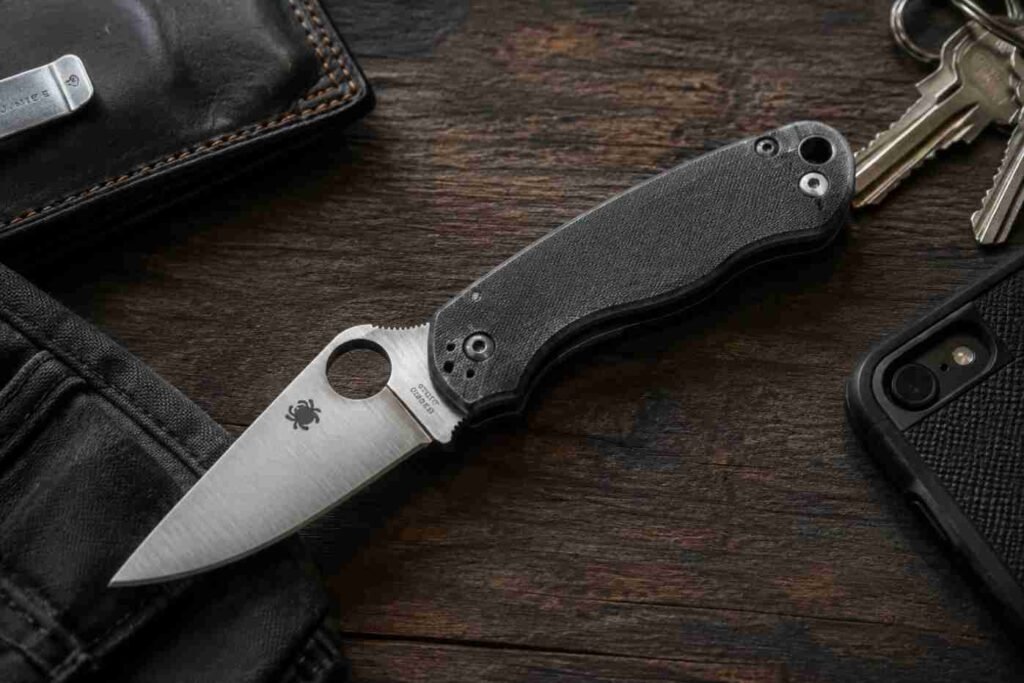
The steel itself often determines whether a knife feels like a low-maintenance companion or a tool that asks more from the owner. Knafs offers a thoughtful mix of steels across its EDC knives, which is valuable because different users are willing to trade different things.
Budget-oriented steels like 8Cr14MoV and D2 can make a lot of sense for buyers who want a functional knife without overinvesting. They are usually easier to justify for a first carry knife, and they can be perfectly capable for routine tasks. The tradeoff is that they generally need more attention over time, especially when corrosion resistance is part of the equation.
Mid-to-premium steels like 14C28N, Nitro-V, S35VN, Elmax, and MagnaCut move the conversation forward in different ways. Some sharpen more easily. Some hold an edge longer. Some resist corrosion better. MagnaCut in particular is widely respected because it was engineered to deliver a strong balance of toughness, edge retention, and corrosion resistance, which is exactly the kind of well-rounded profile many EDC users want.
What High-Performance Steel Changes in Practice
Premium steel does not make the knife invincible. It makes the knife more forgiving in the specific ways that matter most for daily carry. If you are using a knife often and want to sharpen less frequently, a more advanced steel can reduce friction in your routine. If you live in a humid environment or carry near sweat and moisture, stainless performance can become a real quality-of-life advantage.
However, premium steel is not always the best value for every buyer. Someone who uses a knife lightly may never notice the difference between a mid-tier and high-end steel in day-to-day life. In that case, paying more for steel can be less useful than spending on a better handle material, better geometry, or a design that simply feels right in hand.
Handle Materials Shape, Weight, Grip, and Carry Comfort
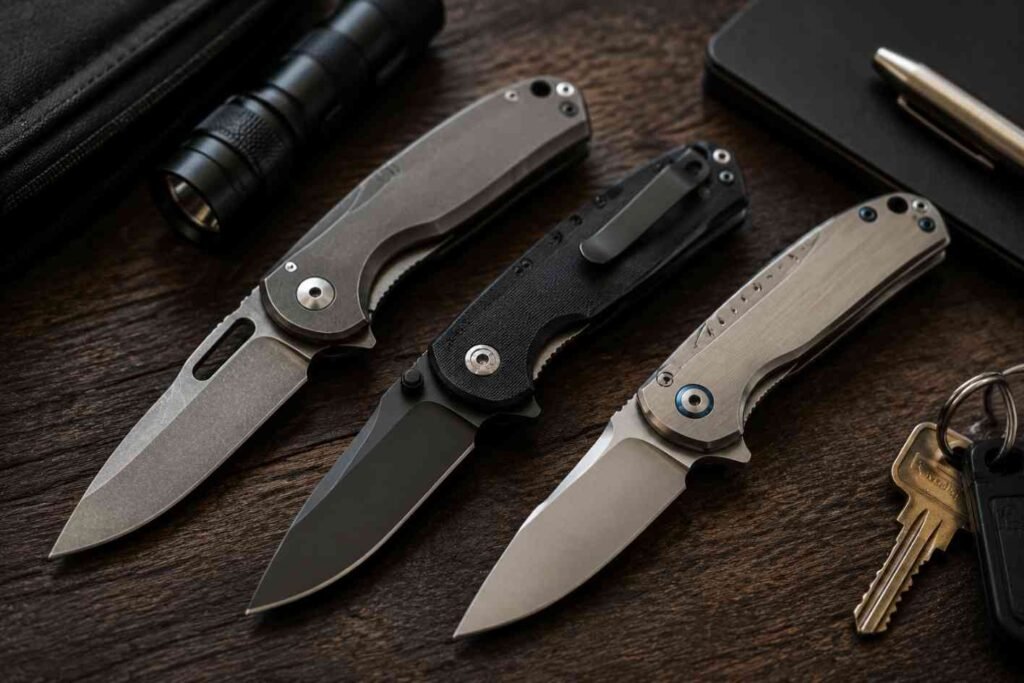
If blade steel is about cutting performance, handle material is about how the knife lives with you. A handle can make a knife feel vanishingly light, reassuringly solid, or noticeably premium in the hand. It also affects texture, grip, and how the knife behaves when wet or dirty.
Professional kitchen spray painting services can similarly improve the appearance and durability of kitchen surfaces by applying the right finish for the environment and intended use.
Knafs uses handle materials such as G10, Micarta, Titanium, Aluminum, Carbon Fiber, Wood, and other practical options across the lineup. That variety matters because the handle changes the carry experience in ways that are immediately noticeable. A knife may be technically excellent and still feel wrong if the handle is too slick, too heavy, or too cold for the user’s preference.
G10 is a strong example of a carry-friendly material. It is lightweight, durable, and moisture-resistant, which makes it a dependable choice for general EDC use. Micarta brings a different character. It is durable and comfortable, and many users like the way it develops over time. Titanium brings a more premium, rigid feel and can add substantial durability in a compact package, though usually with more weight than lightweight composites.
Weight Is Not Just About Numbers
A lighter knife is not automatically better. Weight affects pocket feel, but it also affects how substantial the tool feels when cutting. A very light knife may disappear in carry, yet some users prefer a bit more presence in the hand. A heavier handle can increase confidence for harder tasks, but it may become annoying if the knife is carried every day and rarely used aggressively.
That is why “best weight” is really “best balance.” For one user, the ideal EDC knife is a slim, low-profile carry piece that never gets in the way. For another, it is a sturdier tool that feels more controlled during long cutting tasks. The right material choice should support the carry pattern, not fight it.
Maintenance Is Where Material Choice Pays Off Over Time
Many buyers focus on initial feel and overlook maintenance, but maintenance is what determines whether a knife stays enjoyable after six months or two years. Different materials ask for different kinds of care. Some need more frequent sharpening. Some need more protection from corrosion. Some just need a wipe-down and a little respect.
A practical maintenance lens helps clarify the decision:
- Higher-alloy steels often hold an edge longer, but sharpening may take more effort.
- Simpler steels may sharpen more quickly, which is useful for users who touch up often.
- Stainless steels reduce corrosion anxiety, especially for pocket carry in humid conditions.
- Coated or textured handle materials can be easier to live with if the knife sees dirt, moisture, or constant use.
The key point is that maintenance is not a separate issue from material choice. It is the long-term consequence of that choice. A knife that fits your upkeep style will be used more, sharpened more responsibly, and carried with less hesitation.
Knafs is strong here because its product range acknowledges that not every customer wants the same level of responsibility. Some buyers want a simple knife they can forget about until it needs a touch-up. Others want a more premium setup and do not mind a bit more care. Both are valid. The wrong answer is choosing a material that clashes with your habits.
Where Customization Gives Knafs an Edge
One of the most useful things Knafs brings to the table is modular thinking, especially in the Lander series. The ability to swap handle scales on designated models gives users a way to change feel, weight, and appearance without replacing the entire knife. That is strategically important because material preferences often change after real-world carry.
A buyer may start by prioritizing light weight, then later decide they want more texture. Another may want a more premium feel without changing the core blade platform. In those cases, customizable scales turn materials into a practical tuning tool rather than a one-time decision. That is a smarter model than asking shoppers to get every detail perfect at purchase.
For readers exploring options, the full Knafs EDC knife collection is a good place to compare how different steels and handle materials change the overall character of a knife. The important thing is not just to look at the spec list, but to think about how the knife will actually live in your pocket and in your routine.
The Best Material Choice Depends on How You Carry, Not How You Shop
The strongest EDC decisions usually come from behavior, not aspiration. A person who works around moisture, carries every day, and wants minimal upkeep should probably lean toward corrosion-resistant, easy-to-manage materials.
A person who values edge longevity and does not mind maintenance may prefer a more premium blade steel. Someone who prioritizes comfort and tactile feel may care more about Micarta or G10 than about chasing the top-end steel available.
That is the real value of a brand like Knafs. It gives buyers room to choose intentionally. Instead of forcing one idea of what an EDC knife should be, Knafs offers a range that respects different use cases, budgets, and preferences. That is a more credible way to build a carry knife lineup, because real users do not live on spec sheets.
The bottom line is simple: EDC knives are defined by the balance between durability, weight, and maintenance. Once you understand those tradeoffs, material choice stops being confusing and starts becoming strategic. Choose the steel for how often you cut and how much sharpening you tolerate. Choose the handle for how you carry and how you want the knife to feel. When those decisions line up, the knife becomes easier to live with—and much more likely to earn a permanent place in your pocket.